Top Trending E-Commerce Business Ideas in India to Make Money Online in 2026
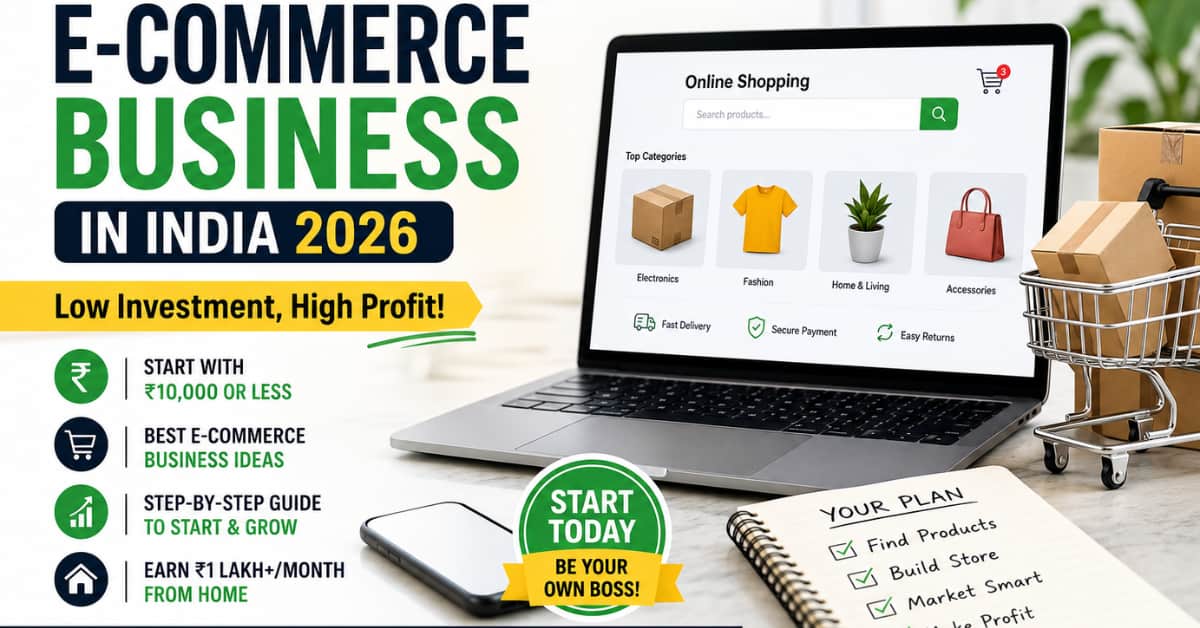
Starting an e-commerce business offers a practical path to earn steady income from home, even with minimal startup costs like under ₹10,000. In 2026, India’s online shopping scene is exploding, fueled by widespread smartphone use, affordable internet, and rising trust in digital payments, allowing everyday people to turn hobbies or skills into profitable ventures without needing prior experience.
Why E-Commerce Business Rocks in 2026
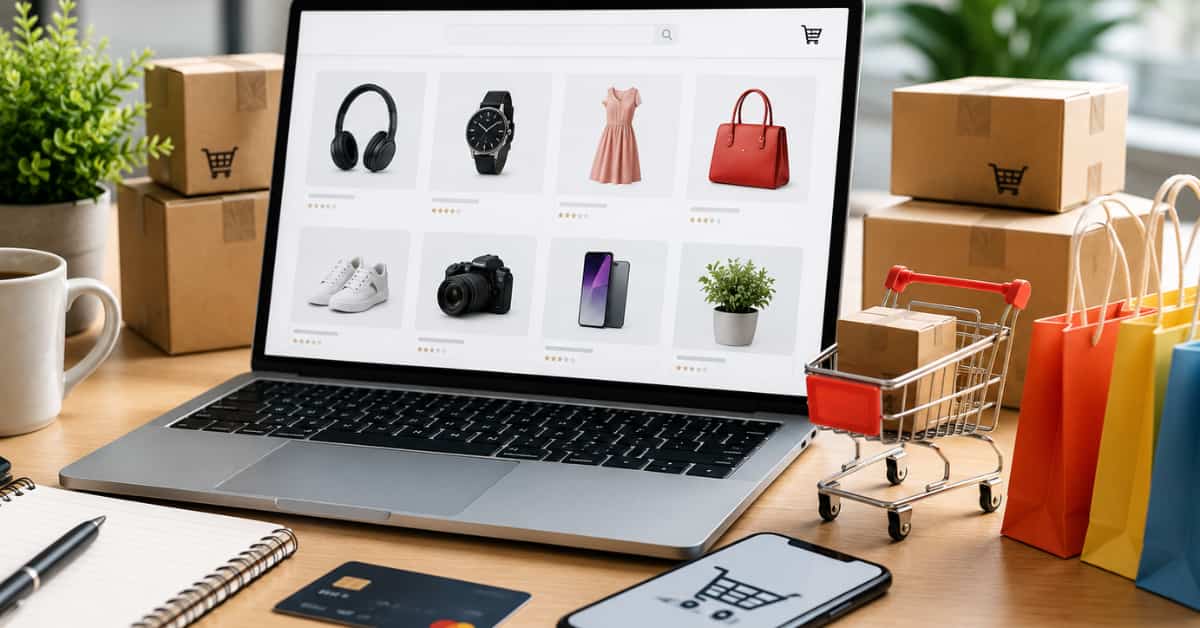
E-commerce means running a store entirely online, where you list products, process orders, and deliver without a brick-and-mortar setup, freeing you from high rents and location limits. This model lets you connect with millions of buyers nationwide or even globally using just a smartphone, laptop, and reliable internet, opening doors for homemakers, students, or side-hustlers seeking flexible work hours. India’s e-commerce market is projected to surpass $145 billion this year, powered by trends like mobile-first shopping—where over 70% of purchases happen via apps—and ultra-fast delivery services that get items to doorsteps in hours, making it easier than ever for small sellers to compete with giants.
Smaller cities and towns are driving this boom, contributing over 60% of new customers who prefer simple payment options like cash on delivery and budget-friendly prices under ₹500. Emerging trends such as quick commerce (now 15-20% of total sales) and social commerce—selling directly through WhatsApp status updates, Instagram Reels, or Facebook Marketplace—lower barriers further, letting you test ideas with zero inventory risk and scale based on real demand. For readers ready to act, this means focusing on local tastes, like regional snacks or practical gadgets, can yield quick wins while building long-term customer loyalty through repeat buys.
Top Low-Investment E-Commerce Business Ideas
Choosing a niche you enjoy keeps you motivated during slow starts, so blend your interests with market gaps for sustainable success. Here are five battle-tested ideas for 2026 that thrive on budgets as low as ₹5,000, emphasizing products with high repeat purchase rates and low return risks.
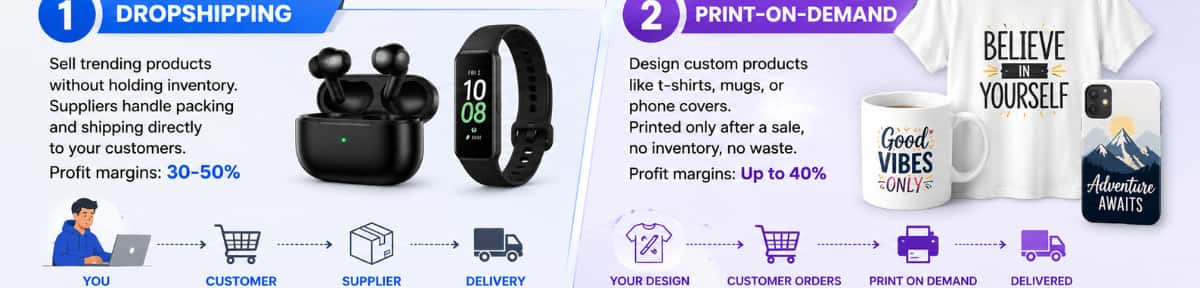
- Dropshipping: List trending items like wireless earbuds or fitness bands without buying stock upfront; partner with suppliers who handle packing and shipping directly to customers, saving you storage hassles and letting profits roll in from markups of 30-50%. This model’s beauty lies in testing dozens of products risk-free—start with free supplier directories and pivot fast based on sales data.
- Print-on-Demand: Create custom designs for t-shirts, mugs, or phone covers that get printed only after a sale, ideal for niches like motivational quotes or festival themes; platforms automate everything, so you focus on marketing while enjoying margins up to 40% with no wasted inventory.
- Reselling Everyday Essentials: Source affordable items like kitchen organizers, phone chargers, or beauty tools at wholesale rates under ₹99 from local markets or apps, then resell at double the price on social platforms; this builds cash flow quickly as these necessities sell year-round without heavy promotion.
- Eco-Friendly Products: Tap into the green wave with reusable straws, organic skincare, or cloth bags—demand surges 25% yearly as buyers seek sustainable swaps; source from small artisans for unique stories that boost shares and sales through authentic branding.
- Health and Wellness Goods: Offer resistance bands, herbal teas, or yoga mats, riding the post-pandemic fitness trend where 40% of Indians prioritize wellness; low-cost sourcing and high perceived value mean easy 2x markups.
Test just 3-5 items initially to learn buyer preferences, track what converts best, and expand winners—this lean approach minimizes losses while maximizing learning from real customer feedback.
Also, read | Top 10 Home Business Ideas for Women in India: Start Earning Today!
How to Start E-Commerce Business Step by Step
Launching doesn’t require fancy skills; these seven actionable steps guide you from idea to first sale in 4-6 weeks, with checklists to track progress and avoid overwhelm.
Step 1: Find Your Products
Dive into research using free tools like Google Trends, Amazon bestsellers, or Instagram shopping tabs to spot rising demands—focus on items solving everyday problems, such as affordable home workout gear or kitchen hacks, with steady searches but fewer sellers. Build a shortlist of 20-30 options by noting search volume, competitor prices (aim for gaps under ₹500 retail), and reviews for pain points like durability; dedicate 2-4 weeks to validate via polls in local WhatsApp groups or Facebook communities. Prioritize products with 20-30% profit potential after fees, ensuring suppliers deliver in 2-5 days to match buyer expectations for speed.
Step 2: Plan Your Business Basics
Brainstorm a catchy, memorable name like “DailyDealsHub” that reflects your niche, then secure a domain for ₹500/year to look professional later. Draft a one-page plan outlining your ideal customer (e.g., busy professionals aged 25-40 seeking value), startup costs (under ₹10,000), pricing strategy, and milestones like 10 sales in week one—use a free Google Sheet template for this. Legally, start as a sole proprietor (no cost initially), but register for GST once sales hit ₹20 lakh annually to stay compliant and unlock bulk buying perks; this foundation prevents costly pivots down the line.
Step 3: Pick a Platform
Match platforms to your tech comfort and goals—marketplaces for traffic, builders for branding.
| Platform | Best For | Cost | Why Choose It |
|---|---|---|---|
| Meesho/Flipkart Seller | Quick reselling, zero setup | Free signup | Built-in millions of shoppers, app-based, handles payments/shipping |
| Shopify | Branded stores with apps | ₹1,500/month trial | Easy drag-and-drop, India-specific payment gateways, analytics dashboard |
| WooCommerce on WordPress | Full customization | Free software + ₹3,000/year hosting | SEO power for organic traffic, endless free themes/plugins |
| DeoDap/Indian Dropshippers | Hands-off automation | ₹2,000-5,000 setup | Pre-vetted suppliers, inventory sync, beginner tutorials |
Marketplaces accelerate learning with their audience; graduate to your site after 50 sales for higher margins.
Step 4: Set Up Your Store
Upload 5-7 crisp product photos per item (shoot naturally lit, multiple angles), write benefit-focused descriptions like “Stay fit anywhere with this portable band—lasts 1,000 pulls,” and price competitively with bundles for upsells. Integrate shipping via Shiprocket or Delhivery (₹50-100/order rates), enable cash on delivery for 70% of rural buyers, and mobile-test every page since 68% shop on phones—optimize with large buttons and fast load times under 3 seconds to boost conversions by 20-30%.
Step 5: Legal and Payment Setup
Opt for sole proprietorship via simple PAN linkage, integrate Razorpay or PayU gateways (2-3% fees, UPI instant), and craft a clear return policy (7-day no-questions for trust, but inspect photos to cap at 10%). Add privacy notes on data handling to build confidence, ensuring smooth operations as orders grow.
Smart Marketing for New Stores
Free organic tactics build momentum before ads; aim for 100 daily visitors in month one.
- Social Media Mastery: Share 3-5 Reels weekly demoing products in real use, tag locations for local reach, and nurture WhatsApp lists for flash deals—consistent posting doubles engagement in 30 days.
- SEO Essentials: Sprinkle searched phrases like “best budget fitness bands India” naturally in titles/descriptions; free Yoast tools guide on-page tweaks for Google visibility.
- Low-Cost Ads: Allocate ₹300/day on Facebook/Instagram targeting interests like “home workouts,” tracking ROI via pixel to refine audiences.
- Influencer Partnerships: Gift samples to micro-influencers (1,000-5,000 followers) for honest reviews; one shoutout can spark 10-20 sales.
Target 35-45% cart completion with trust badges and free shipping over ₹499—monitor via free analytics.
Common Pitfalls to Avoid
Newbies often quit early from avoidable errors; sidestep these for 80% higher survival odds.
- Skip overstocking—stick to dropshipping until ₹50,000 monthly revenue to dodge unsold piles.
- Nail pricing: Formula is wholesale cost + shipping (₹80) + platform fees (15%) + 30% profit; audit weekly in a spreadsheet.
- Minimize returns with zoomed photos, size charts, and video demos—drops from 20% to under 10%.
- Grow gradually: Reinvest 50% profits into ads/suppliers, not hires, for bootstrapped scaling.
Real Tips to Make Money
Dedicate 2 hours daily part-time: mornings for orders, evenings for content. Hit 5 sales/week (₹5,000 profit) by week four using urgency like “Limited stock—order now.” Track KPIs—visits, add-to-cart, conversions—in a dashboard; tweak low performers weekly.
Real example: Flip phone cases bought at ₹40, sold at ₹99 on Meesho. Post-fees/shipping: ₹30 profit/unit. 20 sales/month nets ₹18,000 passive income, scaling to ₹1 lakh with variants.
Leverage 2026 AI for chatbots answering queries 24/7 (boosts sales 20%) and personalized emails recapturing 15% abandoned carts—free trials abound.
Path to Growth
Months 1-3: Validate on marketplaces. Then launch your site, collect emails for 30% repeat sales, and list on Amazon for premium reach. Consistent sellers hit ₹1-2 lakh/month by year one through loyalty programs and seasonal pushes like Diwali bundles.
This flexible business empowers location-independent freedom—serve India from anywhere. Pick one idea, execute step one today: your first sale unlocks momentum. Action creates results.