AFFILIATE DISCLOSURE: This article contains affiliate links. If you purchase through our links, we earn a small commission at no extra cost to you. Read our full Affiliate Disclosure.
Written by M. Akshay, Founder & Tech Writer, Bestructure.com. Published: July 4, 2026 | Last Updated: July 8, 2026.
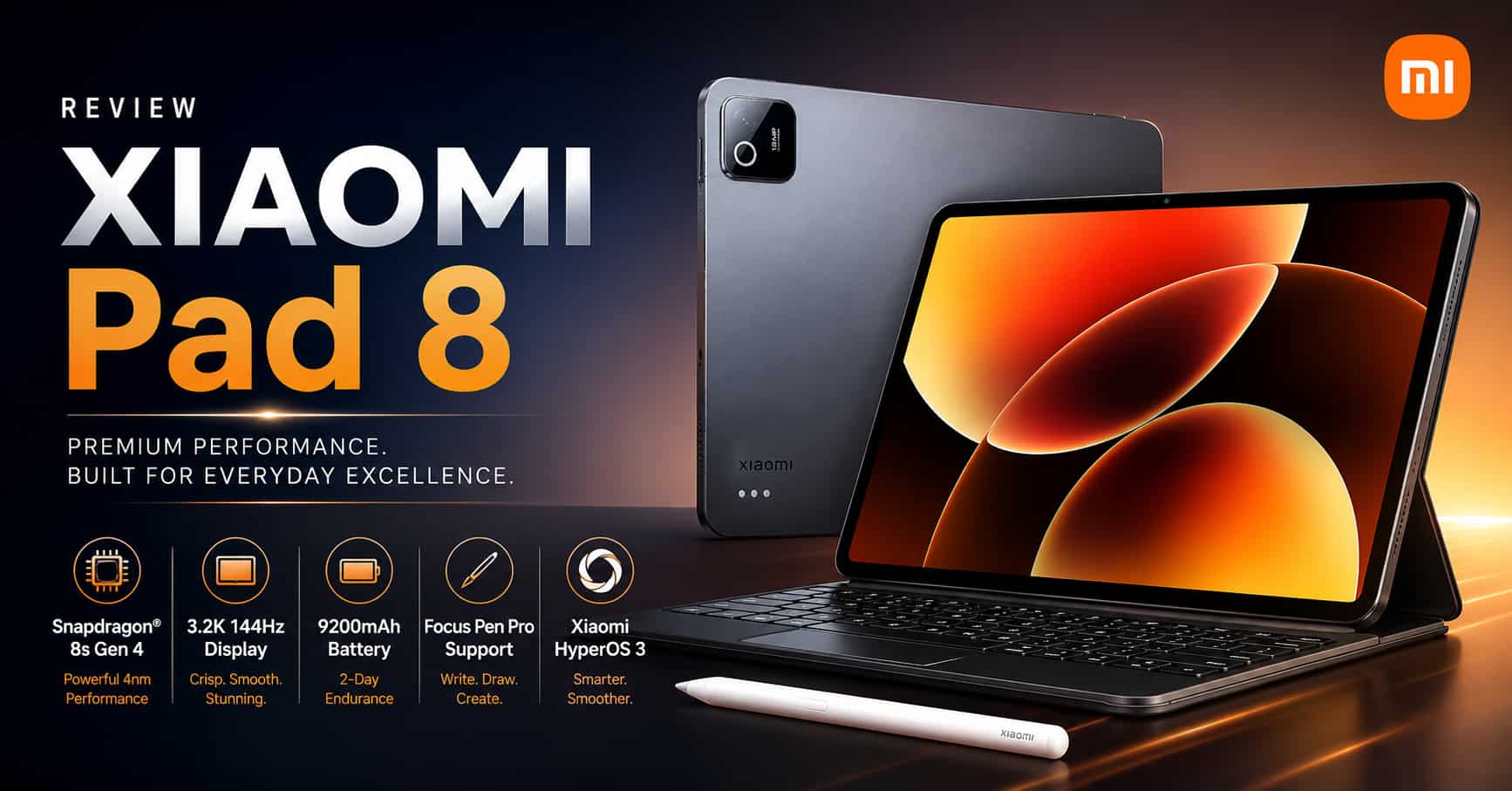
Most tablets under ₹40,000 make you pick your compromise. Either the screen is forgettable and the chip is fast, or the screen looks great and everything feels sluggish two apps deep. The XIAOMI Pad 8 is one of the first tablets at this price to genuinely close that gap, and after going through its spec sheet, real-world usage reports, and how it stacks up against its own predecessor, that’s the story worth telling, not just a list of numbers.
See the current listing on Amazon
Quick Verdict
| Best for | Students, note-takers, heavy multitaskers, video/streaming fans |
| Skip if | You need serious camera performance or GPU-heavy creative work |
| Standout feature | 3.2K, 144Hz display at a sub-₹35,000 price |
| Biggest limitation | Speaker output is average; needs volume boosted for media |
| Price | ₹33,999 |
Why This Generation Actually Matters
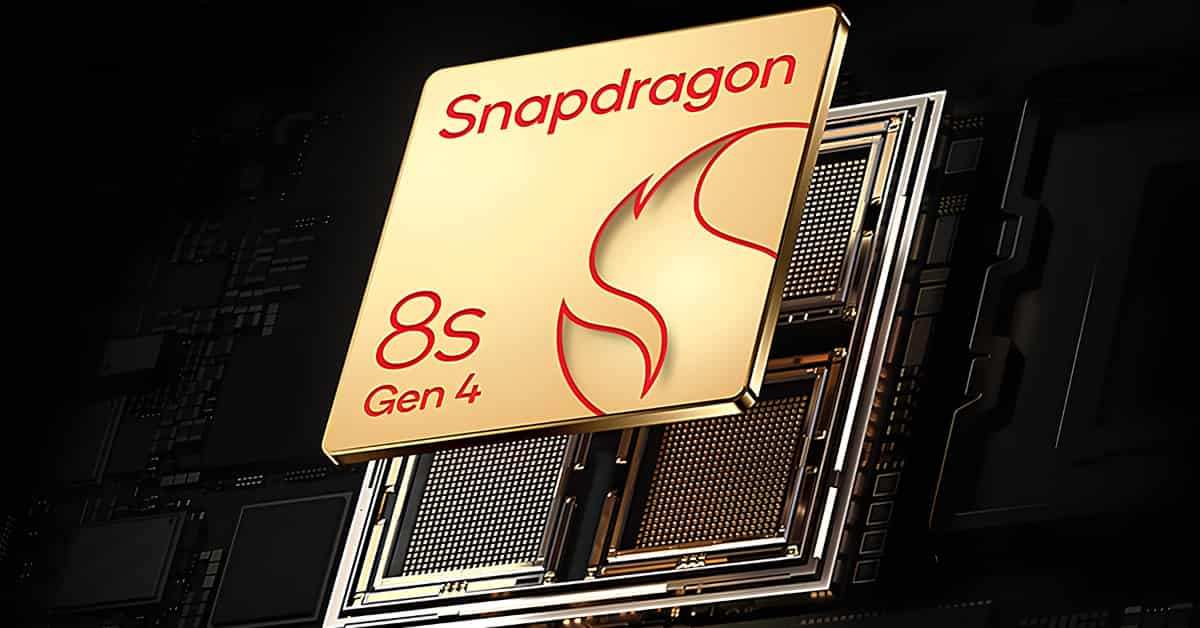
Xiaomi’s tablet lineup has always been decent, rarely exciting. The Pad 7 was competent but never really pushed the performance envelope; it ran on a Snapdragon 7+ Gen 3, a solidly mid-range chip. The XIAOMI Pad 8 replaces that with the Snapdragon 8s Gen 4, a 4nm chipset with a Cortex-X4 prime core clocked north of 3GHz and an Adreno GPU handling graphics. That’s not a small refresh; it’s the kind of chip jump that actually changes how a device feels to use, not just how it scores in a benchmark app.
Paired with 8GB of RAM and 128GB of storage in the configuration reviewed here, the practical result is a tablet that doesn’t choke when you’re running a dozen browser tabs next to a video call, or switching rapidly between a notes app and a PDF reader during a lecture. That’s the kind of workload most mid-range tablets start to stumble on, and it’s where this generation’s chip upgrade earns its keep.
Also, read | Moto Pad 70 Pro Launched in India at ₹32,999 – Snapdragon 8s Gen 4, Free Stylus, and a 13-Inch Screen
The Screen Is the Reason to Actually Care
Numbers alone won’t tell you much, but this panel’s are unusual enough to mention: an 11.2-inch screen packing a 3200×2136 resolution, a pixel density around 345 PPI, brightness that tops out near 800 nits, and a 144Hz refresh rate, all on a taller 16:10 canvas.
What that means practically: text stays crisp even at small sizes, which matters if you’re reading textbooks or dense PDFs for hours. The high refresh rate makes ordinary scrolling through a feed, a document, or a spreadsheet feel noticeably less choppy than the 60Hz panels most competitors still ship at this price. And the brightness ceiling means you’re not squinting at a washed-out screen the moment you step near a window. Colour reproduction, rated for over 68 billion shades with wide-gamut support, gives video content real depth rather than the flat look cheaper IPS panels tend to produce.
This is, without much competition at the price, one of the better tablet displays you’ll find under ₹35,000 right now.
Battery That Matches How People Actually Use Tablets
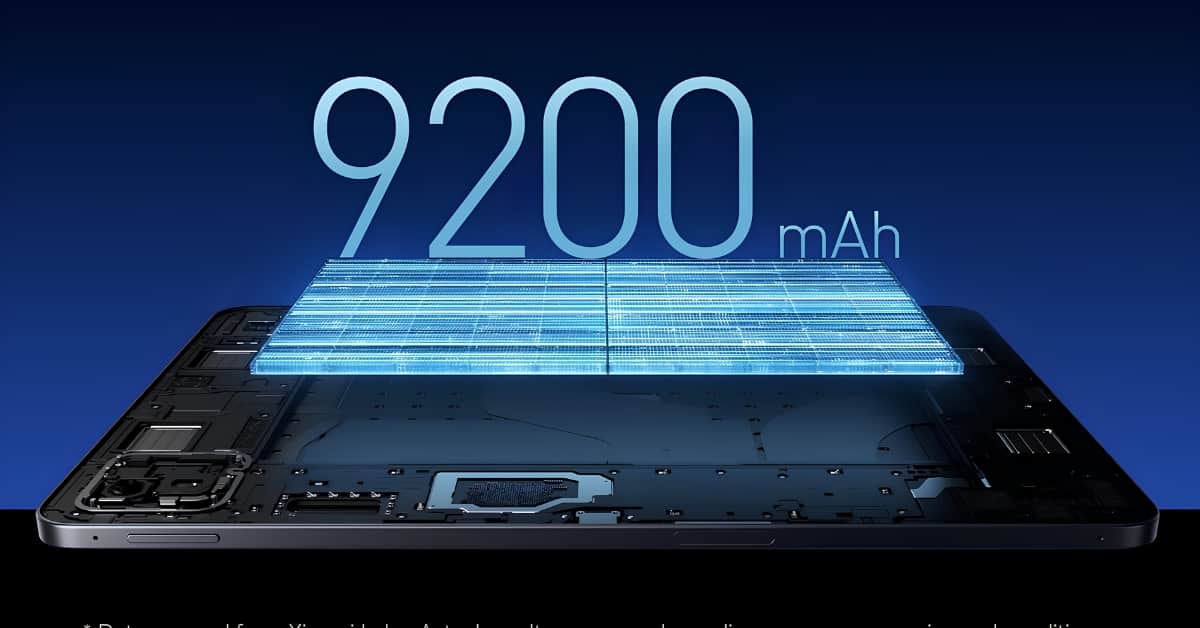
A 9200mAh cell is large for an 11-inch device, and Xiaomi’s own two-day usage estimate, while optimistic under heavy use, isn’t far-fetched for lighter mixed use, reading, browsing, occasional video. Even under a busier daily routine, a full day without needing a charger is a realistic expectation.
45W charging support means top-ups are quick when you do need one, which matters more than raw capacity for most people’s actual habits; nobody wants to plan their day around a slow charger.
Software: Where Xiaomi Is Trying to Do More Than Just Ship Android
HyperOS 3.0 is doing real work here rather than sitting as a skin over stock Android. The HyperAI suite includes live meeting transcription, AI-assisted writing tools, and document summarization, features aimed squarely at students and professionals rather than general entertainment use. Cross-device tools like Tap to Share and call sync add convenience if you’re already inside Xiaomi’s ecosystem, though they matter less if this is your only Xiaomi device.
The Optional Stylus Changes the Use Case Entirely
The Focus Pen Pro isn’t bundled by default, but it’s worth budgeting for if note-taking or sketching is part of your workflow. It supports 16,384 pressure levels and low-latency input, and drops physical buttons in favour of gestures, double-tap to switch tools, a pinch to bring up a menu. For students annotating readings or anyone doing quick diagram work during meetings, it’s a meaningfully more precise tool than the bundled styluses most tablets in this range offer.
Pros and Cons at a Glance
What works well:
- Genuine flagship-tier chipset for the price bracket
- Among the sharpest, brightest displays available under ₹35,000
- Battery comfortably covers a full day of mixed use
- Fast charging keeps downtime short
- HyperAI tools add real productivity value, not just marketing fluff
Where it falls short:
- Speaker output is on the quieter side; media playback often needs volume maxed
- No dedicated GPU, so it’s not built for heavy gaming or creative rendering
- Focus Pen Pro is sold separately, adding to the effective cost for stylus users
Who Should Actually Spend Their Money Here
If your day involves a lot of reading, note-taking, video calls, or streaming, and you want a tablet that won’t slow down after the first few apps, the XIAOMI Pad 8 is a strong match. Students juggling PDFs, lecture notes, and video content will get particular value from the display and battery combination. Professionals who multitask across documents and calls will notice the chip upgrade the most.
It’s a weaker fit if gaming performance or photo/video editing muscle is your priority, that’s simply not what this configuration is built around, regardless of how good the screen looks.
Bottom Line
The XIAOMI Pad 8 is one of the more convincing arguments for buying a mid-range Android tablet in 2026 instead of stretching for a pricier alternative. The screen alone would be a highlight at a higher price point, and the chipset upgrade over its predecessor isn’t a marginal bump, it’s the difference between a tablet that keeps up and one that doesn’t. At ₹33,999, it’s earned a place near the top of its price bracket.
Check the current price and availability on Amazon →
Frequently Asked Questions
Is the XIAOMI Pad 8 good for gaming? It handles casual and mid-tier games well thanks to the Adreno GPU, but it’s not built for the most demanding titles at max settings, there’s no dedicated graphics chip here.
Does it come with the stylus included? No, the Focus Pen Pro is sold separately and isn’t bundled with the base tablet.
How long does the battery actually last? Expect a full day of mixed use comfortably; Xiaomi’s two-day claim is realistic mainly under lighter, reading-focused use rather than constant video or gaming.
Is 8GB RAM enough in 2026? For browsing, note-taking, streaming, and standard multitasking, yes, it’s the chipset efficiency as much as the RAM figure that keeps things smooth.
Affiliate disclosure: This article contains an Amazon affiliate link. As an Amazon Associate, I earn from qualifying purchases made through this link, at no additional cost to you. Prices and specifications were accurate at the time of publishing and may change; please confirm current details on the Amazon product page before buying.
Latest Posts
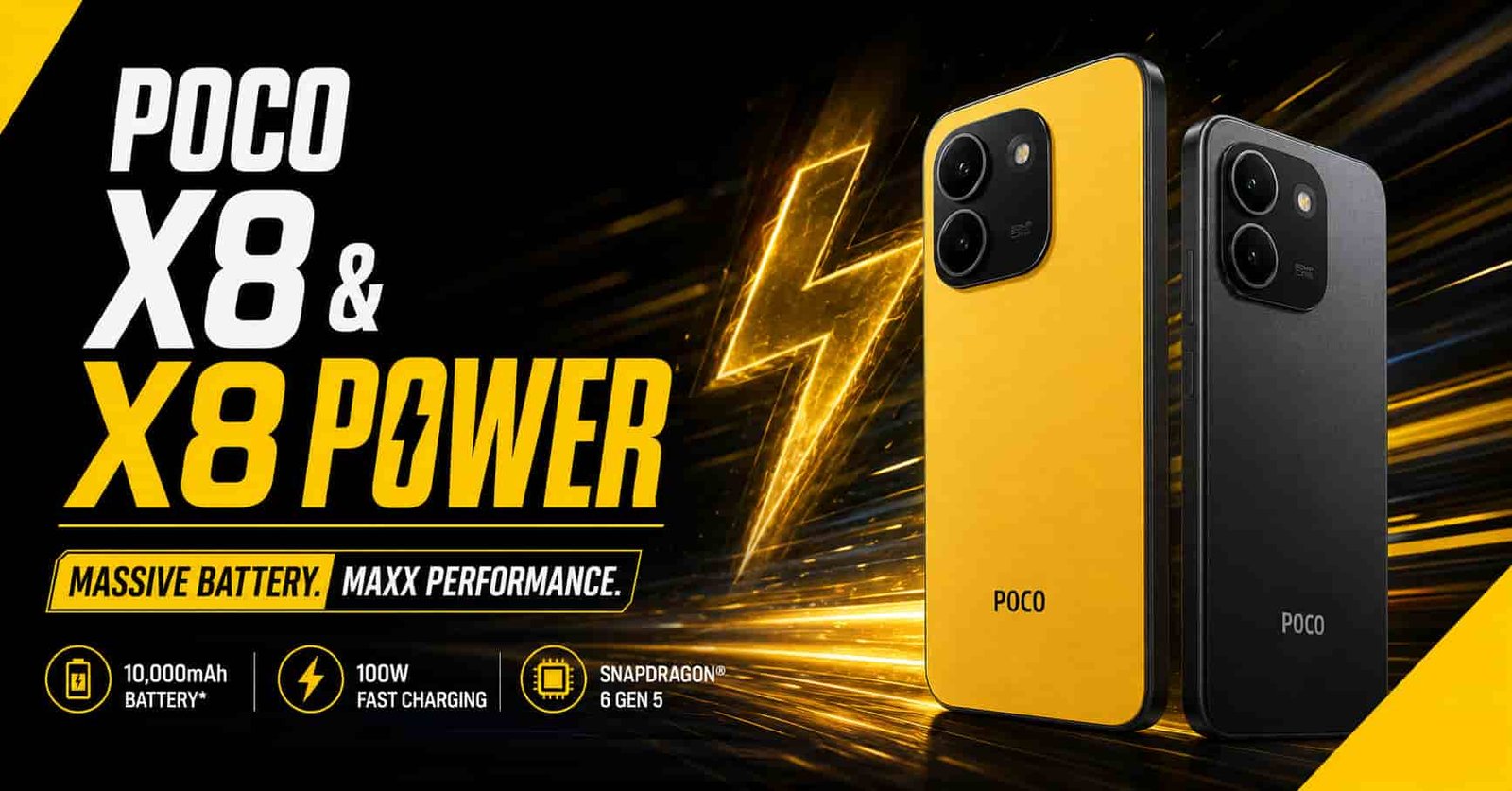
Poco X8 and Poco X8 Power Launched in India: Price, Specifications, and Which One You Should Actually Buy

Nvidia Acquires Hugging Face for 13 Billion Dollars: Here’s Why This Deal Matters
Vivo T5 India Launch: Price, Specifications, and Everything Worth Knowing Before You Buy
iPhone 18 Pro and iPhone Ultra Expected Launch: Everything Reportedly Coming This September
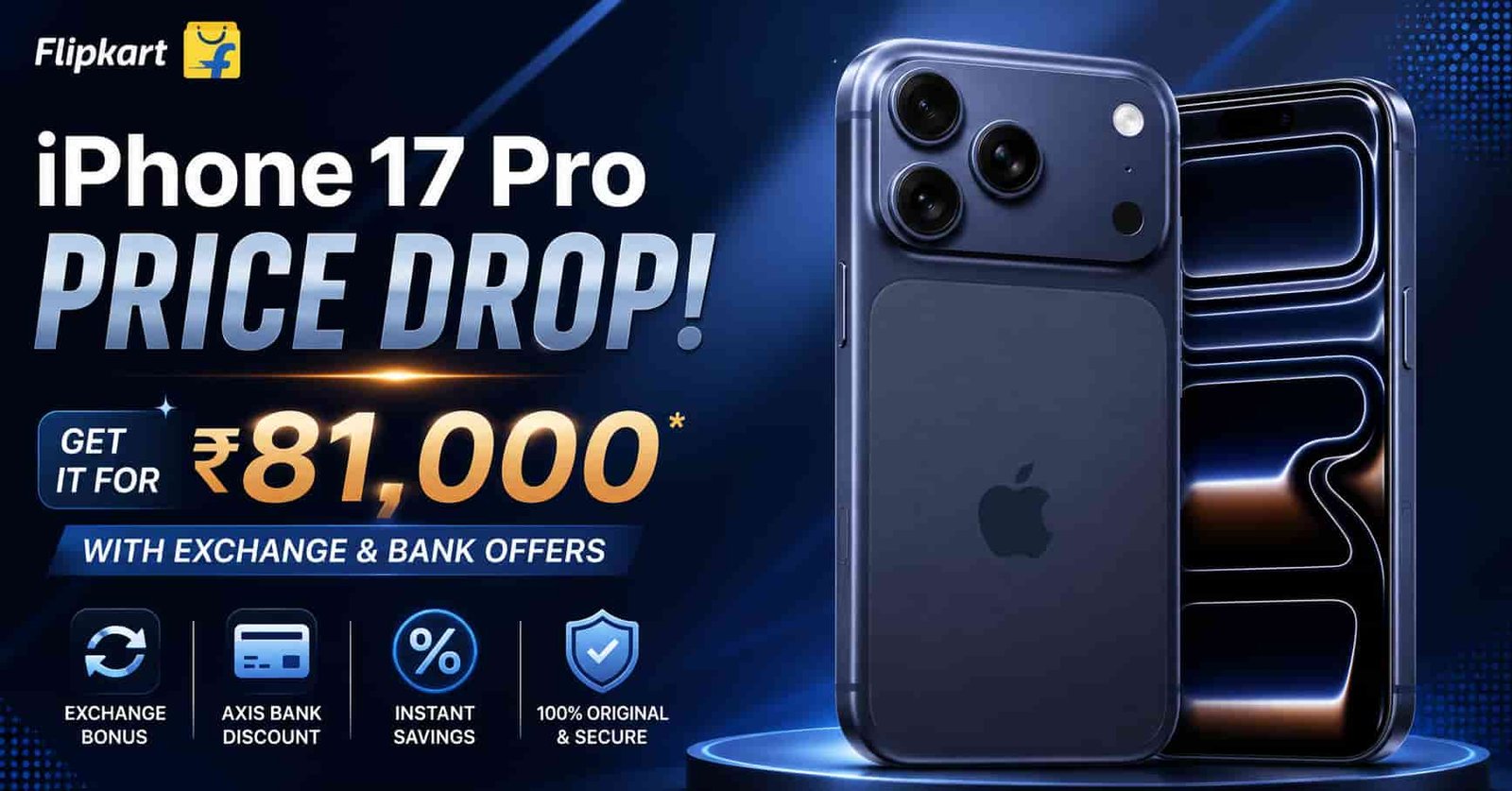
iPhone 17 Pro Price Drop on Flipkart: Get It for Rs 81,000 With Exchange and Bank Offers

Best AirPods Case Options in 2026: Top 5 Picks Worth Buying Right Now
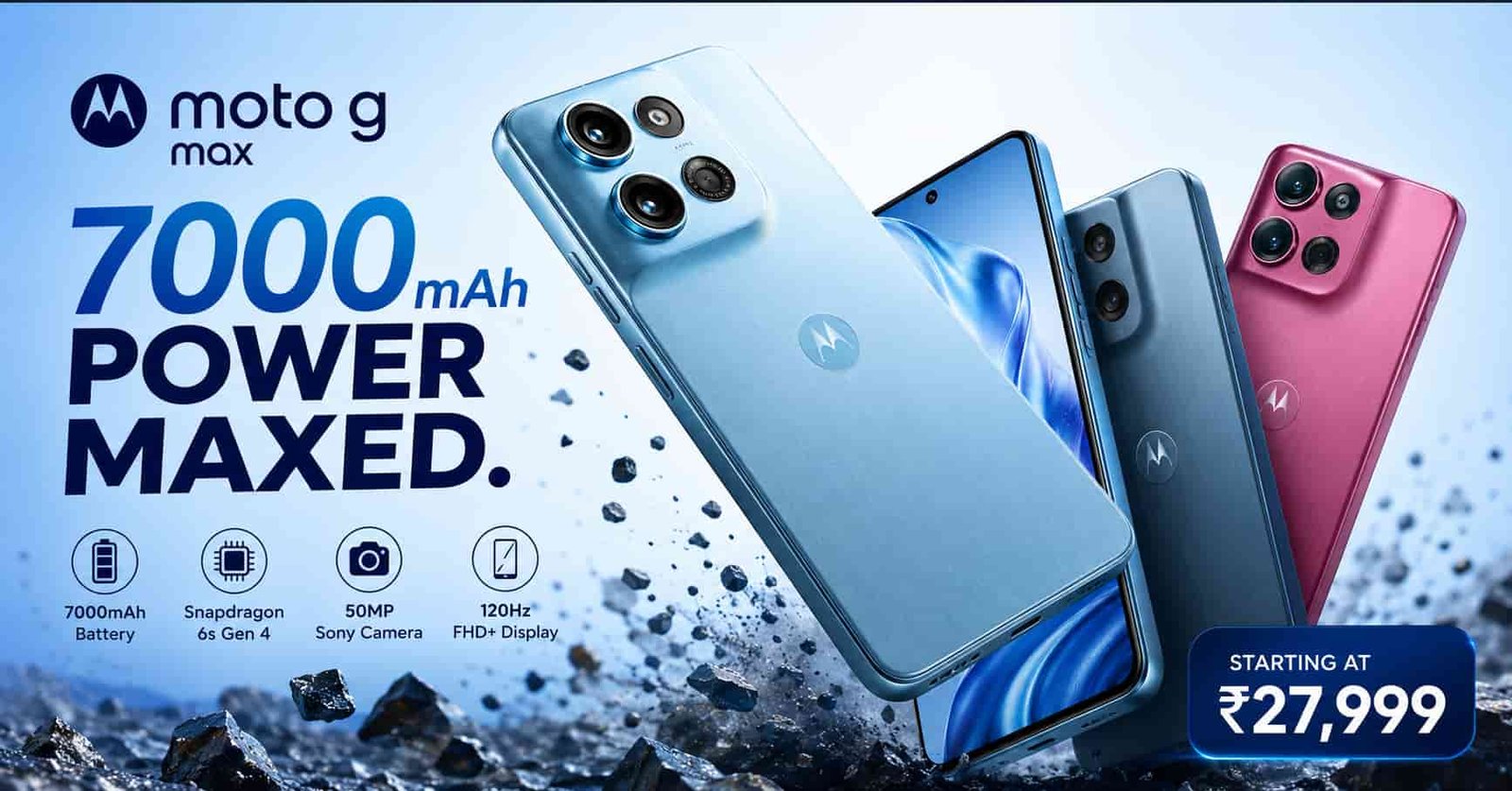
Moto G Max Launched in India: Price, Battery, Camera and Full Specifications
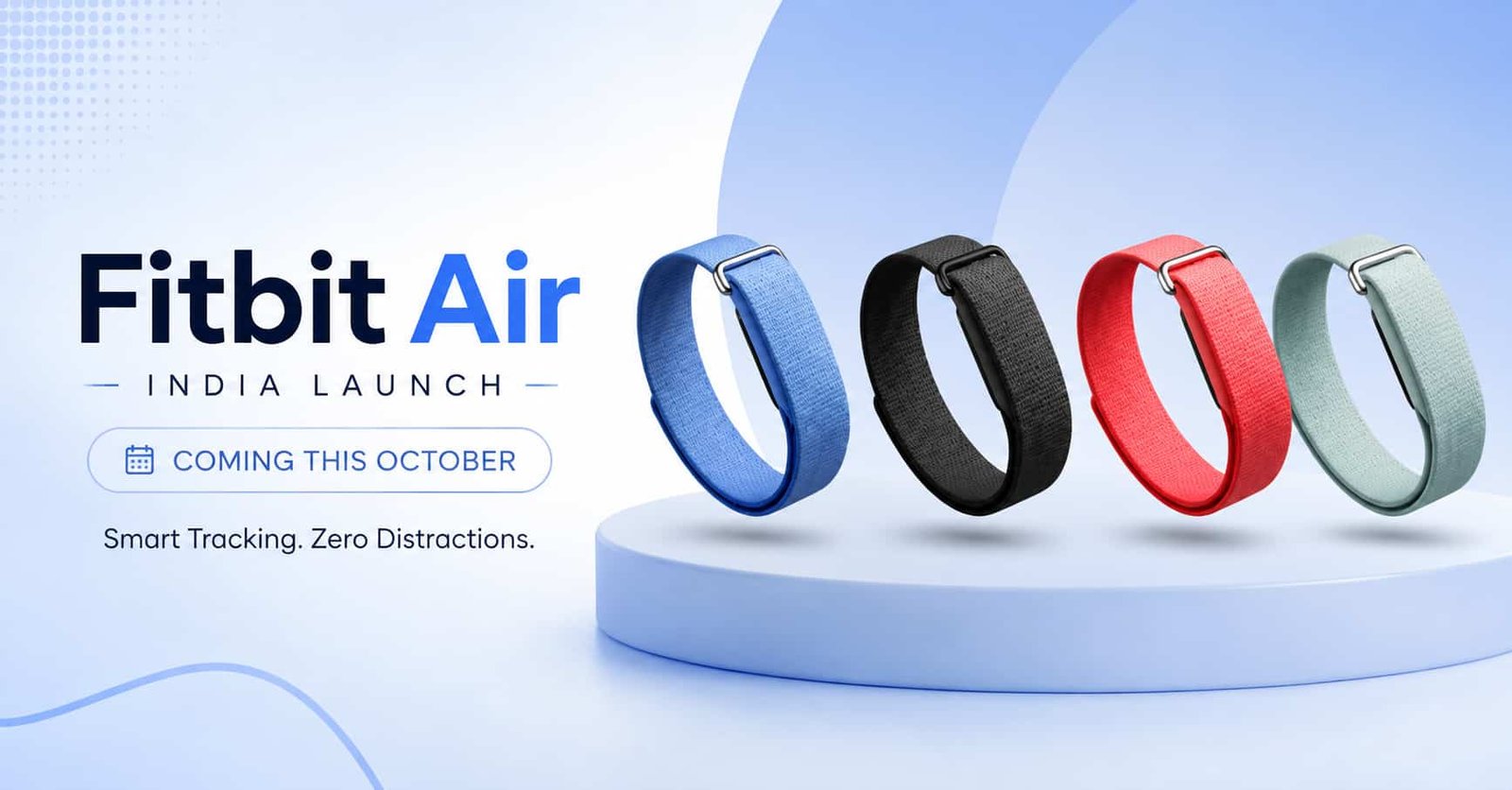
Fitbit Air India Launch Confirmed: Price, Specs, and Everything You Should Know
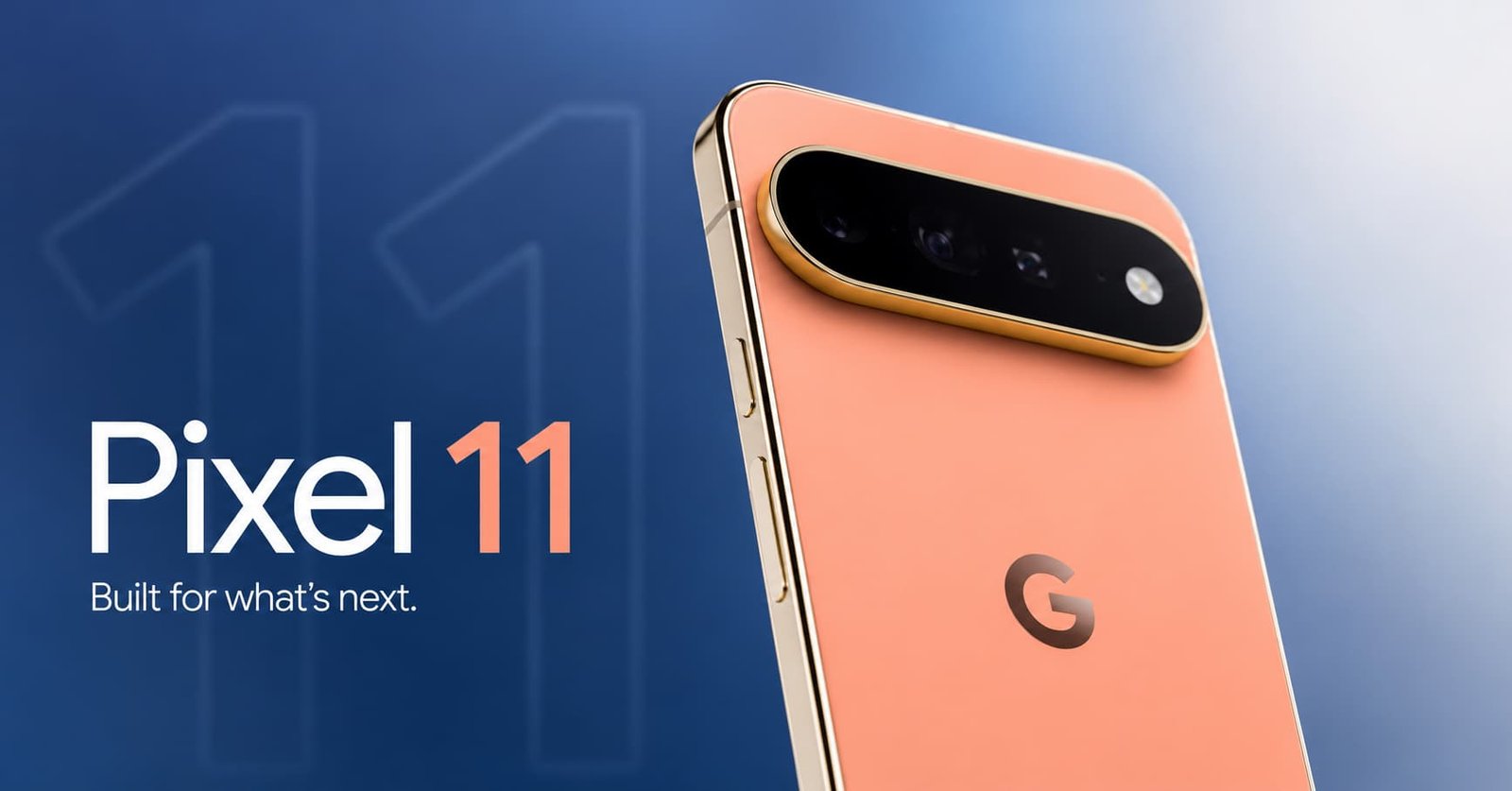
Pixel 11 Series Launched in India: Price, Specs, Tensor G6 Chip and Everything Else You Should Know
Redmi Note 17 5G India Launch: Price, Sale Date and Everything You Need to Know
iQOO Z11 India Launch Set for August 20: AI Features, New Design, and What to Expect