Written by M Akshay | Bestructure
Published: October 01, 2026, 11:16 PM IST | Last Updated: October 01, 2026, 11:16 PM IST
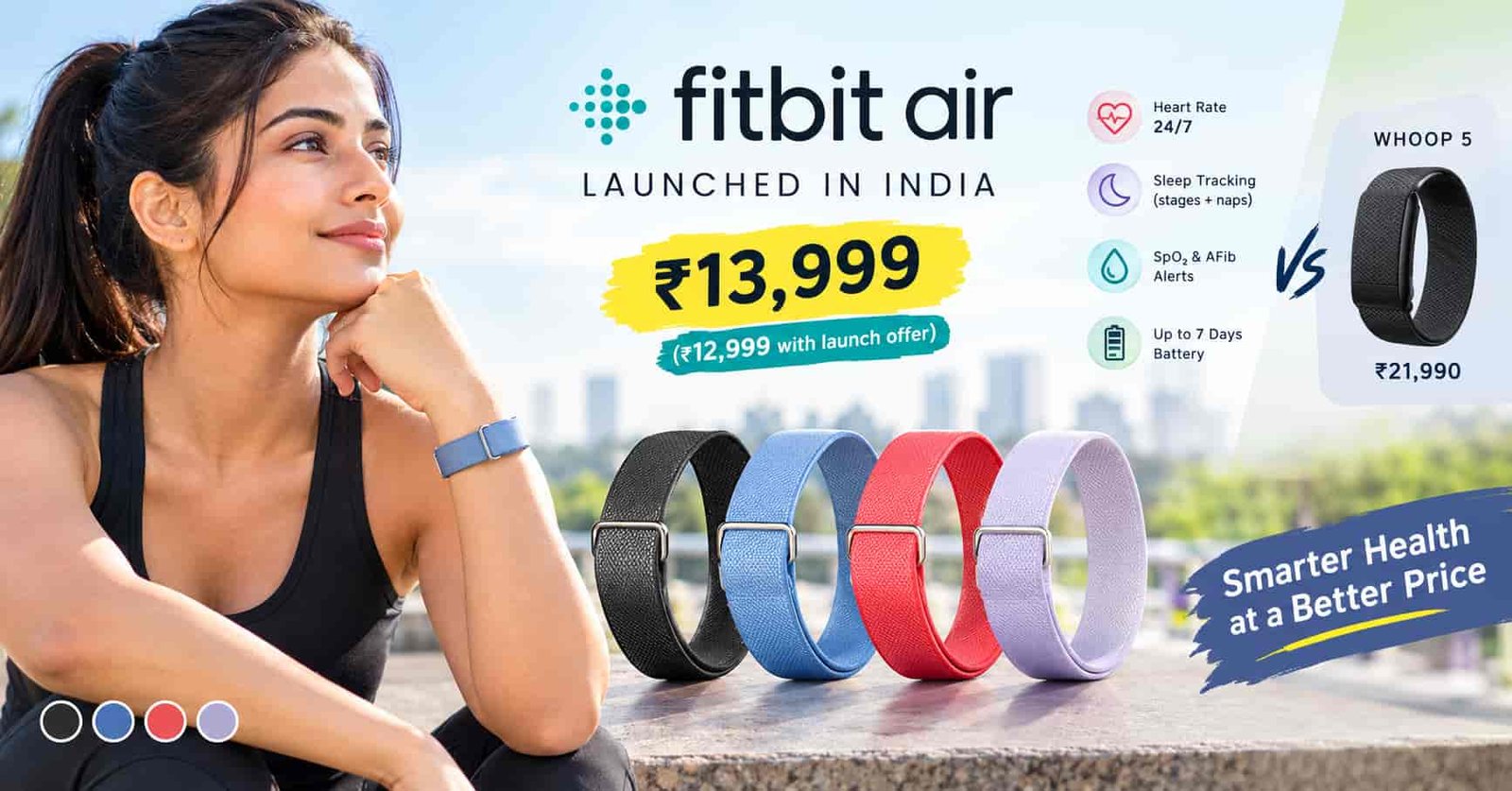
The wait for an actual number is finally over, Google has confirmed what the Fitbit Air will cost Indian buyers, and honestly, the figure says a lot about the company’s game plan here. At Rs 13,999, it undercuts the Whoop 5 by a fairly wide margin, with Whoop’s offering sitting at Rs 21,990. Google joined this screenless fitness tracker race later than most, so rather than trying to out spec Whoop feature by feature at a similar price, it looks like the company has chosen a different battle entirely, winning people over on affordability first.
This isn’t just another fitness band with a fancy name either. The Fitbit Air represents Google’s clearest attempt yet at tapping into the minimalist wearable trend that Whoop largely pioneered, a category built around the idea that health tracking works better when it happens quietly in the background rather than demanding your attention through a glowing screen. Here’s a full breakdown of what the Fitbit Air actually offers, how its pricing stacks up, and whether it genuinely gives Whoop something to worry about.
Fitbit Air Price in India and Launch Offers
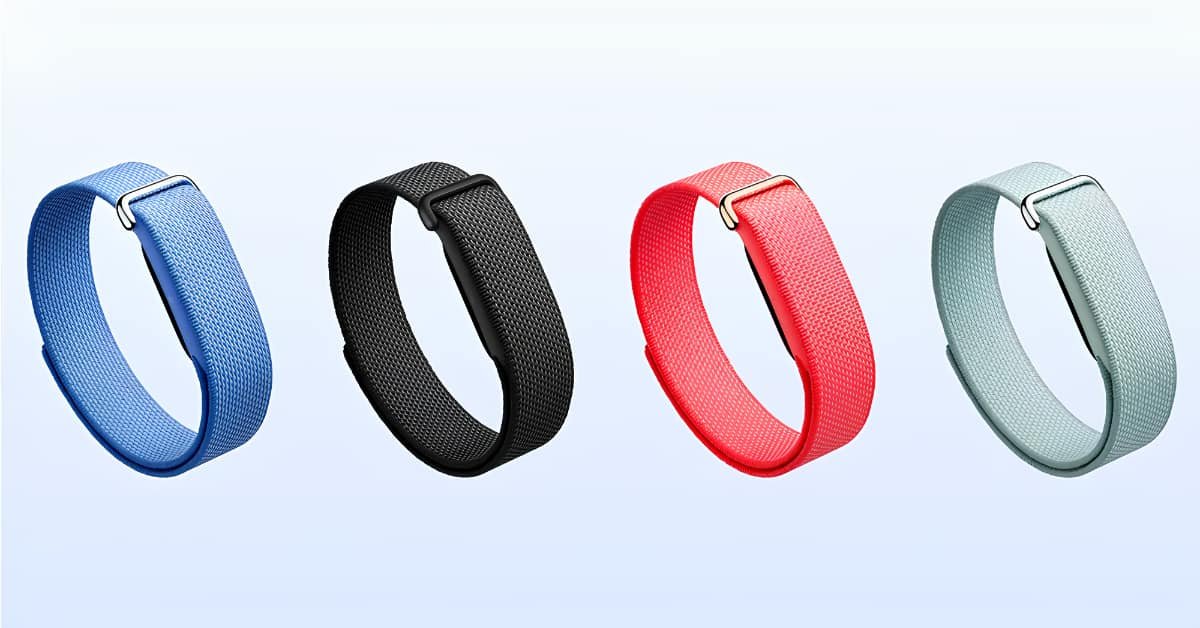
The Fitbit Air carries a price tag of Rs 13,999 in India, and Google is sweetening the early purchase window with an introductory discount of Rs 1,000, effectively bringing the cost down to Rs 12,999 for early buyers. Sales begin on October 2, 2026, and the device will be available in four colourways, Obsidian, Berry, Lavender, and Fog.
| Device | Price in India |
|---|---|
| Fitbit Air | Rs 13,999 (Rs 12,999 with launch offer) |
| Whoop 5 | Rs 21,990 |
Buyers can also look forward to a few extra perks around launch. Jio users get access to 18 months of Google AI Pro, which bundles in a Google Health Premium subscription as part of the package. Separately, those paying through ICICI or HDFC Bank credit cards can claim Rs 1,000 cashback when opting for a six month no cost EMI plan, making the effective entry price even more approachable for anyone looking to spread out the cost.
–> Check Current Price on Flipkart
What Health Features Does the Fitbit Air Actually Offer?
Despite undercutting Whoop on price by a wide margin, Google hasn’t stripped the Fitbit Air down to bare basics. The device tracks around the clock heart rate, monitors heart rhythm with AFib alerts, measures blood oxygen levels, logs resting heart rate, calculates heart rate variability, and breaks sleep down into proper stages rather than offering a single vague score.
| Feature | Fitbit Air |
|---|---|
| Heart Rate Monitoring | 24/7, continuous |
| Heart Rhythm Tracking | Yes, with AFib alerts |
| Blood Oxygen Tracking | Yes |
| Sleep Tracking | Stage by stage, with redesigned sleep score |
| Battery Life | Up to 7 days |
| Display | None, screen free design |
Google claims its improved heart rate sensor has boosted sleep tracking accuracy by as much as 15 percent compared to earlier Fitbit devices. The band can also detect naps lasting 20 minutes or longer, something many trackers in this price range tend to miss entirely, and uses its own algorithms to help optimise when you actually wake up based on your sleep cycle rather than a fixed alarm time.
How the Google Health Coach Sets the Fitbit Air Apart
This is arguably where Google is trying hardest to differentiate itself from Whoop rather than simply competing on price. Instead of just presenting raw numbers, the Fitbit Air routes everything through a rebuilt Google Health Coach, which leans on Gemini to interpret your data and turn it into something genuinely useful.
According to Google, Gemini doesn’t just look at your Fitbit readings in isolation. It factors in details like past injuries, nutrition habits, lifestyle changes, and even weather conditions to shape more personalised coaching advice. The more context you share through natural conversation, the more refined and accurate the guidance becomes over time, positioning Gemini as the actual brain behind the entire health tracking experience rather than just a chatbot bolted on as an afterthought.
Also, read
GPT-6 Astra Explained: What OpenAI’s Most Powerful Model Can Actually Do
Fitbit Air Design and Battery Life
True to the screenless category it belongs to, the Fitbit Air skips a display entirely, relying instead on automatic activity detection to log your workouts without requiring manual input. That absence of a screen also means there’s nothing pulling your attention mid workout, no notifications popping up, no temptation to glance down and check your numbers while you’re trying to focus on the activity itself. Every bit of tracked data instead flows into the Google Health app, which works smoothly across both Android and iOS devices.
Battery life is where going screenless genuinely pays off. Google rates the Fitbit Air for up to seven days on a single charge using its included magnetic charger. If you’re ever in a rush, just five minutes on the charger is enough to cover a full day of use, while a complete charge from empty takes roughly 90 minutes.
Fitbit Air vs Whoop 5: Which One Should You Actually Buy?
Whoop clearly still holds the edge when it comes to raw tracking depth. The Whoop 5 runs on a newer V2 sensor and extends battery life well beyond two weeks, alongside support for tracking over 160 different behaviours, everything from caffeine intake to reading habits before bed. It also bundles in a full year Whoop membership, and even monitors menstrual cycles as part of its broader health picture.
| Comparison Point | Fitbit Air | Whoop 5 |
|---|---|---|
| Price | Rs 13,999 | Rs 21,990 |
| Battery Life | Up to 7 days | 14 plus days |
| Behaviours Tracked | Core health metrics | 160 plus behaviours |
| Subscription | 3 months free, then paid | 1 year membership included |
| AI Coaching | Google Health Coach with Gemini | Whoop coaching tools |
That said, the Fitbit Air isn’t really trying to out spec Whoop, it’s trying to make serious health tracking accessible to a much larger audience. Where Whoop depends heavily on ongoing subscription revenue, Google is positioning the Fitbit Air as a largely one time purchase, bundling in three months of Google Health Premium upfront, with an optional paid subscription only needed afterwards for the more advanced coaching features. For most casual users who want solid, reliable tracking without committing to a steep annual fee, that pricing philosophy alone could make the Fitbit Air the more practical pick.
The Bigger Picture: Why Screenless Trackers Are Suddenly Everywhere
Google isn’t acting in isolation here either. The entire screenless tracker category gained real momentum after Whoop’s own rise, a company founded by Will Ahmed that was valued at over 10 billion dollars as of March 2026, having grown from athlete endorsements into something CEOs and everyday fitness enthusiasts now wear regularly. Garmin followed a similar path in July with its own screen free device, the Cirqa, while reports suggest even Apple is exploring a similar direction. Closer to home, Indian brands like Noise have already been selling their own screenless trackers for a while now, suggesting this entire segment is only getting more crowded from here.
Frequently Asked Questions
Q1. What is the actual launch price of the Fitbit Air in India? It is priced at Rs 13,999, though an introductory Rs 1,000 discount brings the effective price down to Rs 12,999 for early buyers.
Q2. When does the Fitbit Air actually go on sale? Sales begin on October 2, 2026.
Q3. Does the Fitbit Air come with a built in display? No, it is a completely screenless device that relies on automatic activity detection and sends all data to the Google Health app.
Q4. How long does the battery actually last? Google rates it for up to seven days per charge, with a five minute quick charge covering roughly a full day of use.
Q5. Is a subscription required to use all of its features? The device includes three months of Google Health Premium at no cost, after which a subscription priced at Rs 99 per month or Rs 999 annually unlocks the full coaching experience.
Q6. How does it compare with the Whoop 5 in terms of value? The Fitbit Air costs nearly Rs 8,000 less than the Whoop 5, though it offers a shorter battery life and tracks fewer behaviours overall, making it a better fit for casual users rather than serious data driven athletes.
Disclaimer: The information shared in this article has been compiled after researching Google’s official announcements alongside multiple credible technology publications covering the Fitbit Air India launch. Every effort has been made to present this information accurately and in our own original words, and readers are encouraged to verify current pricing and availability through Google’s official website before making a purchase.
Written by M Akshay for Bestructure.
Latest Posts

Samsung Galaxy F70 5G Launched in India: Price, Specifications, and Is It Worth Buying?

Flipkart Big Billion Days Sale 2026: Best Deals on Smartphones, Laptops, TVs and More

Samsung Galaxy A56 5G Review: Is This the Best Mid Range Samsung Phone You Can Buy Right Now
Vivo V80 5G India Launch on October 6: Price, Specifications, Camera and Battery Details

Poco M8 Power 5G Price In India Review: Big Battery, Bright Display, But Here Is What It Skips
One UI 9 Update Rolling Out to Galaxy S26: New Features, Rollout Status, and How to Download

Realme 16 Pro Harry Potter Edition: Price, Design, and Everything Fans Should Know Before Buying

Redmi Note 17 Pro and Pro Max Launched in India: Price, Specifications, and Everything Worth Knowing

Microsoft Humanist AI Code of Conduct Explained: Why the Company Is Choosing Safety Over Speed

GPT-6 Astra Explained: What OpenAI’s Most Powerful Model Can Actually Do

Poco X8 and Poco X8 Power Launched in India: Price, Specifications, and Which One You Should Actually Buy