Written by M Akshay | Bestructure
Published: October 4, 2026, 6:53 PM IST | Last Updated: October 4, 2026, 6:53 PM IST
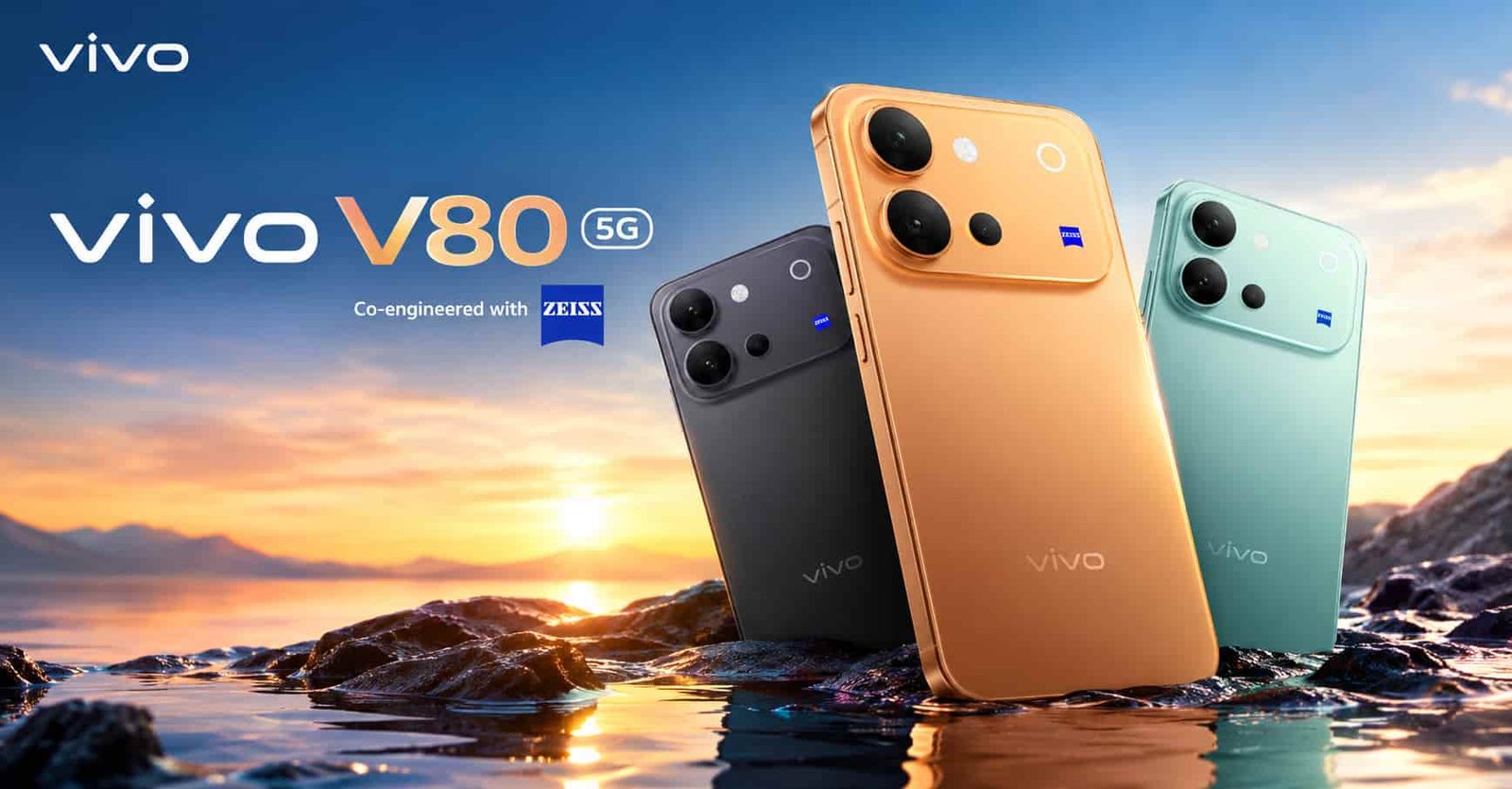
October 6 is the date to remember if you have been tracking Vivo’s next big release. That’s when the Vivo V80 5G finally touches down in India, and from what the company has shown off so far, this isn’t a minor refresh dressed up as a new launch. There’s a genuine ZEISS partnership behind the cameras, a battery that Vivo itself calls the biggest the V series has ever carried, and a screen running at 144Hz with 1.5K sharpness. Buyers here in Telangana already have easy access to Vivo through Amazon, Flipkart, and the brand’s own retail counters, so this one should reach shelves quickly once it’s official.
Three colours will be on offer at launch, Sunrise Anthem, Horizon Blue, and Stellar Black. Beyond the paint job though, Vivo has clearly rethought a few things about how this phone looks, shoots, and lasts through a day. Let’s work through what’s actually changed.
When and Where Can You Buy the Vivo V80 5G?
Mark your calendar for October 6, 2026, 12 noon, that’s when pricing and sale details go live. Expect the usual suspects to carry it, Amazon India, Flipkart, Vivo’s own website, and physical stores spread across most Indian cities, Hyderabad included. Prefer holding a phone before buying it? Give it a few days post launch for offline stock to settle in properly.
Design Choices That Set It Apart
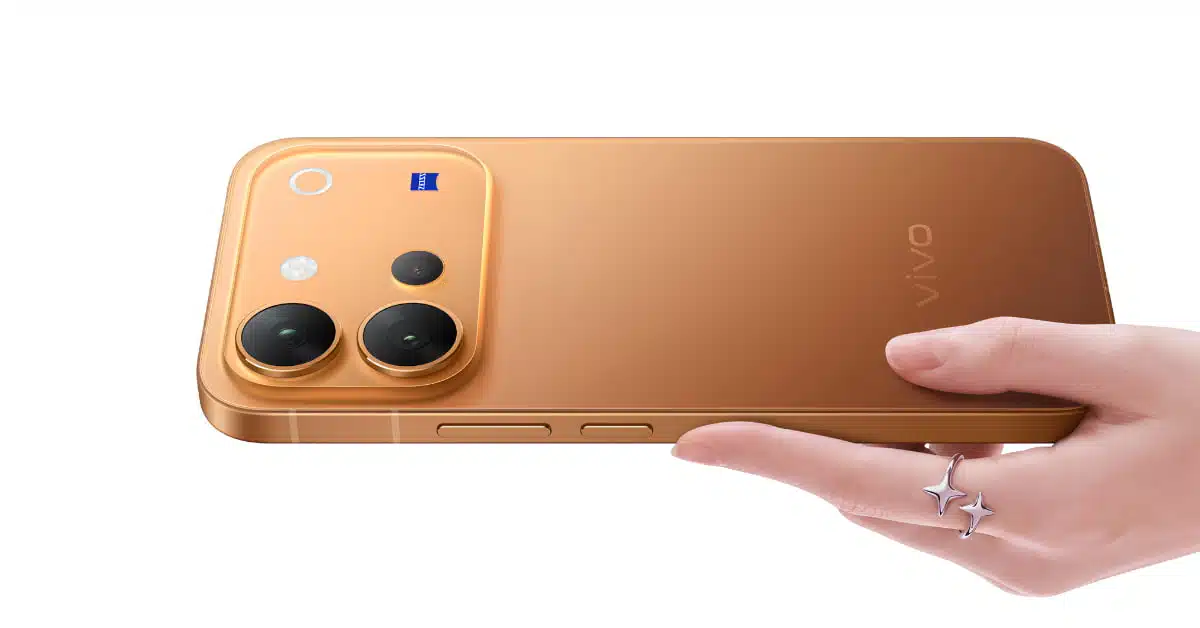
Vivo describes the back panel as one piece cold carved glass, which sounds like marketing fluff until you realise it’s really about how the glass is shaped and finished rather than assembled from separate pieces. Paired with a floating camera module that breaks away from the typical rectangular bump look, the V80 5G tries hard not to blend into the crowd of similarly priced phones.
Numbers wise, you’re looking at 157.52mm tall, 74.33mm wide, and a slim 7.69mm thickness. Weight sits around 203 grams. Considering how much battery Vivo has squeezed inside, that’s a genuinely impressive balance between size and heft.
Toughness gets its due attention too. Carrying both IP68 and IP69 certification, the V80 5G can be pulled from a bucket of water a metre and a half deep after a full thirty minutes and still power on without flinching. Caught in a sudden Hyderabad downpour or knocked into a sink while washing dishes, this phone simply shrugs it off rather than turning into an expensive paperweight.
–> Check Current Price on Flipkart – https://fkrt.co/bVlNfH
A Display Built for Bright Afternoons

Six point five nine inches, OLED, 1.5K resolution, 144Hz, those are the headline numbers for the panel. Vivo is confident enough to call it the smoothest screen it has ever put on a V series device.
| Spec | Figure |
|---|---|
| Screen Size | 6.59 inches |
| Resolution | 1.5K |
| Refresh Rate | 144Hz |
| Peak Brightness | 5000 nits |
| HBM Brightness | 1800 nits |
| Colour Depth | 1.07 billion shades |
What actually matters for daily use is that 5000 nit peak brightness figure. Step outside under a blazing Hyderabad afternoon, and this screen shouldn’t wash out the way cheaper panels tend to. At night, it dials itself down to a mere 1 nit automatically, sparing your eyes from a harsh glow in a dark room. There’s also a reading mode built to mimic the feel of paper, useful if ebooks or long documents are part of your daily phone habit.
Where Vivo Spent Its Energy: The Camera
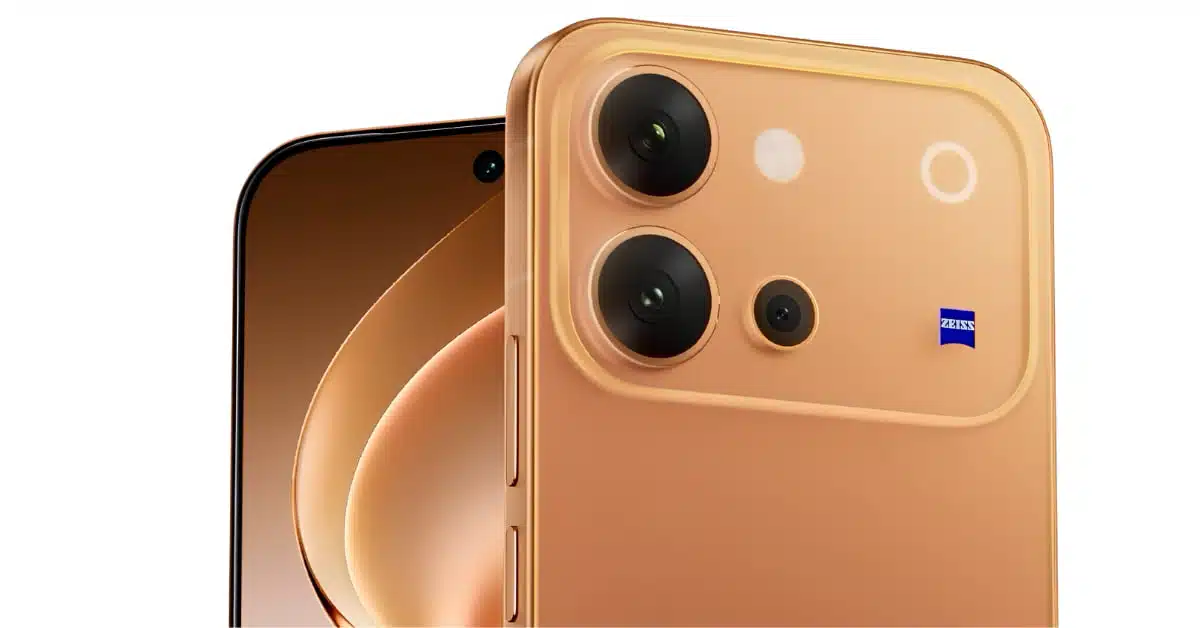
Cameras are clearly where this launch lives or dies for Vivo, and the company knows it. Three rear sensors make up the setup, each touched by ZEISS engineering in some form. A 50 megapixel main shooter carries optical stabilisation, a second 50 megapixel unit handles telephoto duties and claims up to 100x zoom, and an 8 megapixel lens rounds things out on the ultrawide side.
| Camera | Megapixels | What Stands Out |
|---|---|---|
| Main | 50MP | Stabilised, ZEISS tuned |
| Telephoto | 50MP | Zoom reaching 100x |
| Ultrawide | 8MP | Wider framing, ZEISS optics |
| Selfie | 50MP | 92 degree field of view |
Zoom numbers on spec sheets rarely translate perfectly into real photos, so take that 100x figure with a pinch of healthy scepticism until actual samples surface. What’s more believable is the dedicated large sensor sitting behind the telephoto lens, built specifically to keep low light shots from falling apart, something budget zoom cameras usually struggle with. Video capture tops out at 4K, 60 frames per second, with stabilisation thrown in, genuinely handy if vlogging or travel clips are part of your routine.
Flip to the front, and that selfie camera also wears the ZEISS badge, spanning a 92 degree field of view with zoom flexibility between 0.8x and 2x. Vivo threw in something called a 100mm centre stage portrait mode too, blending two focal lengths to chase that cinematic, heavily blurred background look phones usually fake rather than genuinely capture.
–> Check Current Price on Amazon – https://link.amazon/B05oe73my
Chipset, Memory, and the Software Running It All
A Snapdragon 7 Gen 4 chip sits under the hood, an octa core design built on a 4 nanometre process, working alongside 8 gigabytes of RAM. Nobody should mistake this for flagship silicon, but for scrolling, messaging, photo processing, and the occasional gaming session, it should hold up just fine.
| Component | What You Get |
|---|---|
| Chipset | Snapdragon 7 Gen 4 |
| Memory | 8GB LPDDR4X |
| Storage | 128GB UFS 3.1, fixed |
| Software | Android 17, OriginOS 7 |
Here’s the catch worth flagging early, that 128GB storage figure is final, no memory card slot to stretch it further. Anyone who shoots heaps of 4K footage regularly should weigh that limitation seriously before committing.
On the software front, Android 17 runs underneath OriginOS 7, and one addition genuinely stands out, Snap Notes. Point your camera at a whiteboard or a page of handwritten notes, and the phone converts it into something editable almost instantly. Security gets attention too, a built in shield watches for scam calls and shady app behaviour, backed by a six year promise of extended security patches, a genuinely long runway for a phone in this bracket.
Battery Life That Doesn’t Ask You to Compromise
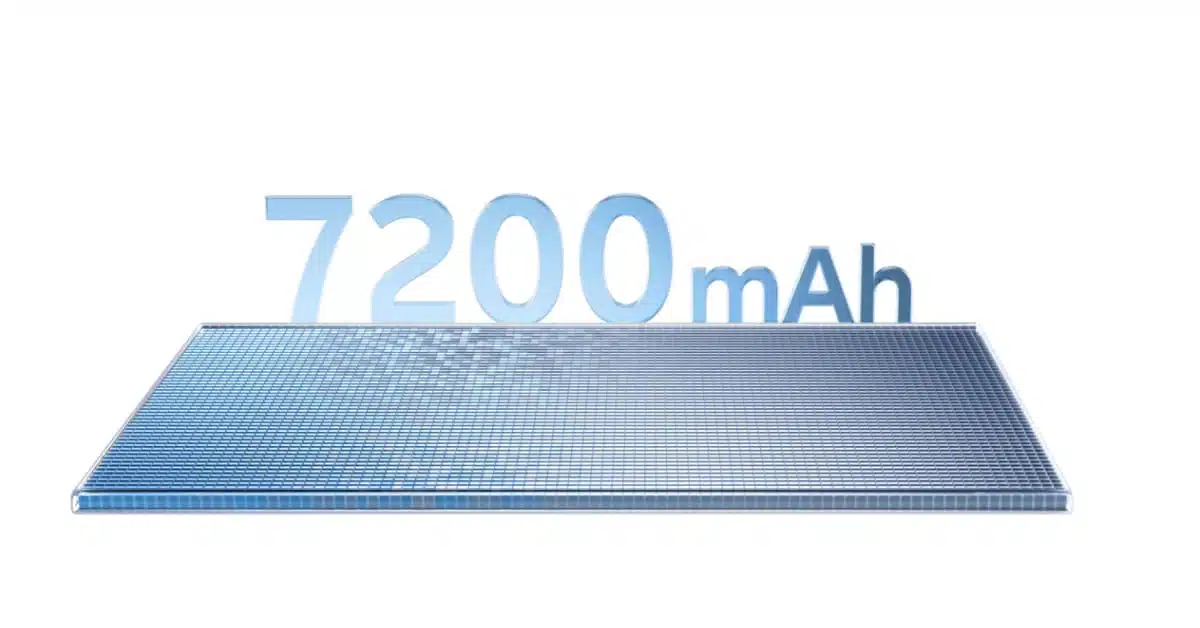
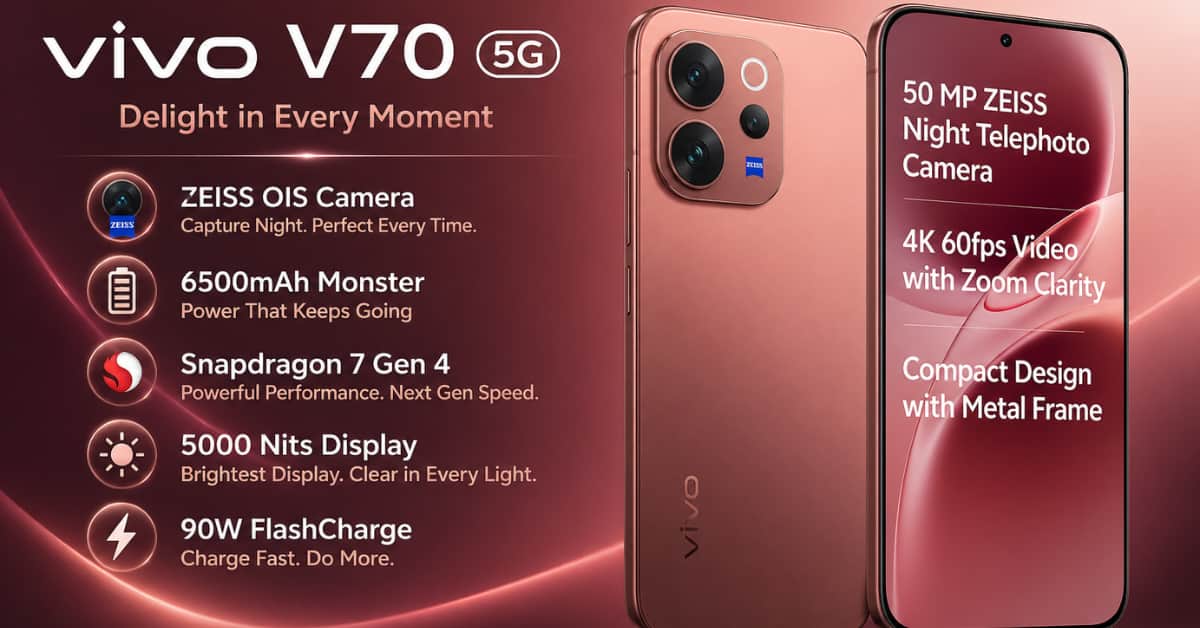
7200mAh. That’s the number Vivo is leaning on hardest, and it’s enough to call this the largest battery the V series has ever carried. Translated into real usage, Vivo claims close to 39.5 hours of local video playback or roughly 14 hours of nonstop navigation before you’d need a charger.
Charging speed matches the ambition too, 90W FlashCharge gets you to the halfway mark in just 30 minutes. Need to top up a pair of earbuds mid day? Reverse charging has you covered there as well.
Also, read
Vivo T5 India Launch: Price, Specifications, and Everything Worth Knowing Before You Buy
Rounding Out the Package
Dual SIM with eSIM support, full 5G bands, NFC for tap and pay, an IR blaster for remote duties, Bluetooth 5.4, GPS paired with Glonass, the connectivity sheet reads about as expected for a phone in this bracket. Fingerprint recognition runs through an on screen ultrasonic sensor rather than the optical variety found on cheaper devices, generally a safer and quicker bet. Stereo speakers make the cut too, though don’t go hunting for a headphone jack, audio over wires means routing through the USB Type-C port instead.
What Will the Vivo V80 5G Actually Cost?
Here’s the honest answer, nobody outside Vivo knows yet. Official pricing stays under wraps until launch day itself. Given the ZEISS camera emphasis and the overall build quality on display, expect something sitting in that uncomfortable middle ground between upper mid range and entry level premium. The moment Vivo confirms numbers, this section gets updated.
Is Waiting for the Vivo V80 5G Worth It?
For anyone prioritising camera versatility, a screen that performs well in sunlight, and a battery that won’t demand a midday top up, this phone genuinely earns a spot on your shortlist. The ZEISS collaboration alone gives it something most rivals at similar pricing simply can’t claim.
That said, if expandable storage is non negotiable, or raw flagship grade power is what you’re chasing, look elsewhere, this chip is solidly mid tier and that 128GB ceiling is fixed. Our honest take, hold off final judgement until launch day brings real camera samples and confirmed pricing, since zoom claims and night mode promises always deserve a closer look before you trust them with your money.
Frequently Asked Questions
Q1. When exactly is the Vivo V80 5G arriving in India? October 6, 2026, at 12 noon, with retail availability expected to follow shortly after across major platforms.
Q2. What’s genuinely different about its camera system compared to rivals? Every lens, front and back, carries ZEISS engineering, with a dedicated night capable telephoto sensor and portrait modes not commonly bundled together at this price.
Q3. How large is the battery and what’s the charging speed like? A 7200mAh cell, the biggest in V series history, paired with 90W charging that reaches 50 percent in half an hour.
Q4. Is there any way to expand the 128GB storage? No, there’s no memory card slot, so storage stays fixed regardless of how much content you shoot or download.
Q5. Which processor is running inside this phone? A Qualcomm Snapdragon 7 Gen 4 chipset, paired with 8GB of RAM.
Affiliate Disclaimer: This article contains an affiliate link. If you make a purchase through it, Bestructure may earn a small commission at no additional cost to you. This review has been written based on official product specifications and all opinions shared remain entirely our own.
Disclaimer: The information in this article has been pulled together through research across several published sources, including Vivo’s own promotional material and independent specification listings, ahead of the phone’s India debut. A handful of technical details, particularly exact camera sensor naming, differed slightly between sources, so treat those specifics as provisional until Vivo’s official listing goes live, and confirm final pricing directly through Vivo once the phone launches.
Written by M Akshay for Bestructure.
Latest Posts
Vivo S2 FE 5G Launched in India: Price, Specifications, and Is the 10000mAh Battery Enough to Buy It?

John Ternus TIME Interview: iPhone Duo, Apple’s AI Plan, and What the New CEO Really Cares About
Samsung Galaxy F70 5G Launched in India: Price, Specifications, and Is It Worth Buying?

Flipkart Big Billion Days Sale 2026: Best Deals on Smartphones, Laptops, TVs and More
Samsung Galaxy A56 5G Review: Is This the Best Mid Range Samsung Phone You Can Buy Right Now
Poco M8 Power 5G Price In India Review: Big Battery, Bright Display, But Here Is What It Skips

Fitbit Air Launched in India at Rs 13,999: Price, Features, and How It Compares to Whoop 5
One UI 9 Update Rolling Out to Galaxy S26: New Features, Rollout Status, and How to Download

Realme 16 Pro Harry Potter Edition: Price, Design, and Everything Fans Should Know Before Buying
Redmi Note 17 Pro and Pro Max Launched in India: Price, Specifications, and Everything Worth Knowing

Microsoft Humanist AI Code of Conduct Explained: Why the Company Is Choosing Safety Over Speed