Written by M. Akshay | Founder, Bestructure.com Published: July 8, 2026 | Last Updated: July 8, 2026
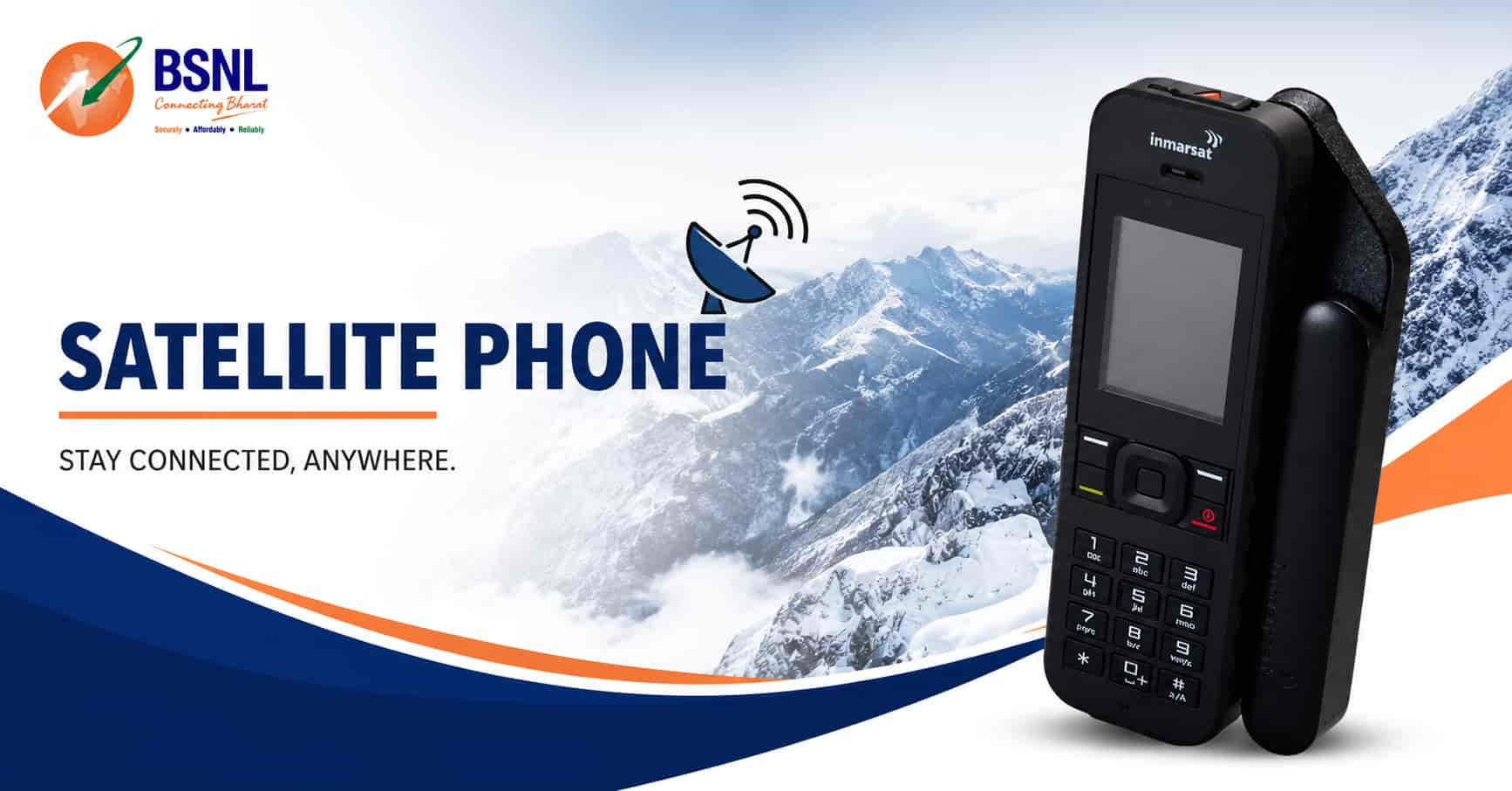
BSNL has launched a satellite phone in India, and it is built for a very different kind of buyer than a regular smartphone. This is not a device for everyday calls or scrolling through apps. It is made for places where mobile towers simply do not exist, and where a normal phone would show no signal at all. The BSNL satellite phone is priced at Rs 1,34,166, including all taxes, and it works by connecting straight to satellites in space instead of nearby mobile towers.
BSNL shared the launch on social media, saying the device keeps people connected exactly where regular networks cannot reach. This single feature is the whole point of the phone. Whether someone is deep in a forest, high up in the mountains, out at sea, or caught in a disaster zone where towers have gone down, the BSNL satellite phone is designed to keep working when nothing else does.
How Does the BSNL Satellite Phone Work
A normal mobile phone depends on nearby towers to send and receive signals. If you walk too far from a tower, or if the tower itself stops working, your phone loses signal completely. The BSNL satellite phone skips this problem entirely. Instead of searching for a tower, it connects directly to satellites orbiting far above the Earth.
This means a person holding this phone in a remote valley, on a ship in the middle of the ocean, or in a village that has never had mobile coverage can still make a voice call. BSNL built this service together with Inmarsat, a well known global satellite communication company. Inmarsat’s satellites cover huge stretches of land and sea, which is what allows the phone to work in places a regular telecom tower could never reach.
This also makes the phone genuinely useful during disasters. Floods, earthquakes, and cyclones often damage or destroy local mobile towers, cutting off communication exactly when people need it most. Since the BSNL satellite phone does not rely on those towers at all, it can keep working even when the local network has completely collapsed.
Also, read | Moto Pad 70 Pro Launched in India at ₹32,999 – Snapdragon 8s Gen 4, Free Stylus, and a 13-Inch Screen
Key Features of the BSNL Satellite Phone
The phone is built around a small set of features, and each one is aimed at real, practical use rather than everyday convenience. Here is what it offers:
Satellite connectivity that works far beyond normal mobile network coverage Voice calling from remote or off grid locations An SOS button for emergencies, so users can send a distress signal when they need help fast Long battery life, useful for people who may be away from a charging point for a long time A rugged, tough build designed to survive difficult outdoor conditions None of these features are flashy. They are practical, and they are exactly what someone would need if they were stranded, working in a remote area, or caught in an emergency with no other way to call for help.
Who Can Actually Buy This Phone
Here is the part that makes this device very different from any smartphone you might buy online. You cannot simply walk into a store, or open an app, and buy a BSNL satellite phone the way you would buy any other phone.
Satellite phones are tightly controlled in India for security reasons. Before anyone can buy or use one, they must first get approval from the Department of Telecommunications, commonly known as the DoT. Using or even owning a satellite phone without this approval can lead to legal trouble under Indian law, so this is not a device to purchase casually.
BSNL says the phone is mainly meant for specific groups of people and organisations, rather than the general public. This includes defence personnel, maritime crews working out at sea, disaster response teams, workers in mining or remote industrial sites, pilgrims travelling through isolated regions, and adventure travellers heading into areas with no mobile coverage. If your work or travel regularly takes you far away from normal network coverage, this phone is built with you in mind. If you are simply looking for a backup phone for your daily life, this is likely not the right device or price for that purpose.
Price and How to Get One
The BSNL satellite phone costs Rs 1,34,166, with all taxes included. That price reflects what this device actually is: a specialised communication tool for critical situations, not a mass market gadget.
Anyone interested first needs to secure approval from the Department of Telecommunications before they can purchase or activate the phone. Once that approval is in place, BSNL has said people can visit their nearest BSNL office, or call the company directly, to learn more about buying and setting up the device.
This launch is part of a bigger push by BSNL to expand its network across India. The company recently confirmed it has set up close to 99,000 4G sites nationwide, and there are discussions about allowing BSNL to add even more 4G coverage in the coming months. The satellite phone fits into this same larger goal: making sure people across India, even in the most remote corners of the country, have some way to stay connected.
Frequently Asked Questions
Q1. What is the price of the BSNL satellite phone? The BSNL satellite phone costs Rs 1,34,166, including all applicable taxes.
Q2. How is a satellite phone different from a normal mobile phone? A normal phone needs a nearby mobile tower to work. A satellite phone connects directly to satellites in space, so it can make calls even in places where there is no tower nearby at all.
Q3. Can anyone buy the BSNL satellite phone? No. Satellite phones are strictly regulated in India. Buyers must first get approval from the Department of Telecommunications before they can purchase or use one.
Q4. Who is this satellite phone actually meant for? BSNL says it is designed for defence personnel, maritime workers, disaster response teams, mining and remote industrial workers, pilgrims, and adventure travellers who often find themselves outside normal network coverage.
Q5. Does the BSNL satellite phone have an emergency feature? Yes, it includes an SOS function, letting users send a distress signal during emergencies even when regular mobile networks are completely unavailable.
Q6. Who provides the satellite network for this phone? BSNL has partnered with Inmarsat, a global satellite communication company, to power the phone’s connectivity across remote regions.
Final Thoughts
The BSNL satellite phone is not trying to compete with the smartphone in your pocket. It exists for a completely different reason: to keep a small group of people connected in places where regular networks simply do not reach. For defence teams, disaster responders, sailors, remote workers, and travellers heading far off the beaten path, that kind of reliability can genuinely matter in a way an ordinary phone never could.
At Rs 1,34,166, and with mandatory government approval required before purchase, this is clearly not a device for the average buyer. But for the specific people it is built for, the BSNL satellite phone offers something no regular smartphone can: a working connection exactly when and where it matters most.
Written by M. Akshay, Founder & Tech Writer, Bestructure.com. Published: July 8, 2026 | Last Updated: July 8, 2026. Details sourced from BSNL’s official announcement.
Latest Posts

John Ternus TIME Interview: iPhone Duo, Apple’s AI Plan, and What the New CEO Really Cares About

Samsung Galaxy F70 5G Launched in India: Price, Specifications, and Is It Worth Buying?

Flipkart Big Billion Days Sale 2026: Best Deals on Smartphones, Laptops, TVs and More
Samsung Galaxy A56 5G Review: Is This the Best Mid Range Samsung Phone You Can Buy Right Now

Vivo V80 5G India Launch on October 6: Price, Specifications, Camera and Battery Details
Poco M8 Power 5G Price In India Review: Big Battery, Bright Display, But Here Is What It Skips

Fitbit Air Launched in India at Rs 13,999: Price, Features, and How It Compares to Whoop 5
One UI 9 Update Rolling Out to Galaxy S26: New Features, Rollout Status, and How to Download

Realme 16 Pro Harry Potter Edition: Price, Design, and Everything Fans Should Know Before Buying
Redmi Note 17 Pro and Pro Max Launched in India: Price, Specifications, and Everything Worth Knowing

Microsoft Humanist AI Code of Conduct Explained: Why the Company Is Choosing Safety Over Speed